Need money now
Take the pool on an earlier week. You receive less than the full pool, that same week.
Savings Circles (ROSCA)
Save together — each member takes the whole pot in turn
Four weeks. Every week everyone puts in $25, and one member takes $100. Whoever needs it sooner takes it sooner; whoever waits receives more.
Need the money now, or can you wait?
Take the pool on an earlier week. You receive less than the full pool, that same week.
Wait for your turn at the end. You receive the whole pool, plus what members who went early left behind.
Training circle · play money · sign in with Telegram or Google
Ten people, one pool, one auction per round. Under a minute, no jargon.
Everyone puts in $25. One member takes the $100 pool.
The same again. A member who already received the pool still puts in $25 each week.
The last member takes the pool. Anyone who went early received less; anyone who waited received more.
You send USDC to a platform address. It is credited to your ROSCASH balance. Joining locks the full cycle into that circle’s escrow on the ledger — not a separate on-chain contract.
A circle payout is a credit to your ROSCASH balance, taken from members’ escrow. To take USDC out, you request a withdrawal. It is sent from the platform wallet after approval.
Live circles lock the full cycle when you join, so later weeks are paid from that escrow. Extra collateral is off unless the creator turned it on. A member excluded for missed payments leaves the circle; the pot is not topped up from an insurance fund.
Patience pays. You wait your turn — and pocket the discounts from those who rushed.
These figures show the average scenario. Real returns depend on participant behavior.
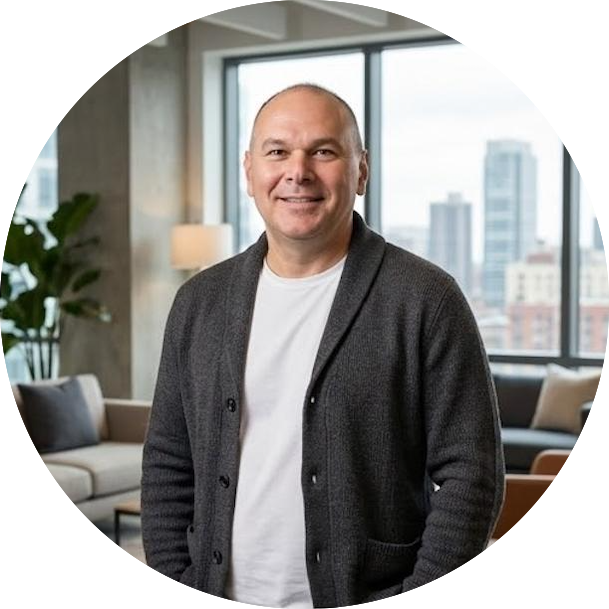
Over 30 years in banking and fintech I’ve gone from running a major banking institution with over $3B in assets (early-2000s dollars) to launching digital payment ecosystems. All that time I saw one thing: millions of people overpay banks and microlenders just for the right to use their own money.
Meanwhile — over 2 billion people already save without banks, through collective circles. It’s a trillion-dollar-a-year market, but fragmented: each community knows only its own circles.
ROSCASH is the first global infrastructure for these circles. On-chain rails and open reputation scoring bring transparency, and a discount auction makes the model work between strangers. You get a financial instrument that used to live only inside one’s own community.
“ROSCASH — a system that returns money to people, not banks.”